
The Basics of Crop Protection for Higher Yields

Protecting crops is crucial for ensuring food security, protect the environment and maximizing yields. A variety of methods can be used, often in combination, to safeguard their crops from pests, diseases, weeds, and environmental stresses. These methods can be broadly categorized as:
Cultural practices as crop rotation, resistant varieties, optimizing planting and spacing
Biological control as natural predators, biopesticides, traps, physical control (mechanical, manual, mulching), environment stress management (irrigation and drainage, soil management)
Chemical control applying pesticides and herbicides
Know Your Farm First
Before picking protection plans, understand your farm's unique traits:
Farm Size and Crop Type: Small herb plots might allow hand weeding, unlike large corn fields.
Environment and Threats: Know common local pests, diseases, and weather. Are there nearby protected areas or water that limit chemical use?
Destination of production: Organic markets need different methods than those focused on standard yields.
Budget and Tools: Your budget, available workers, and machines affect which methods are practical.
Cultural practices: Pros & Cons

Pros
Good for Nature: They have little environmental impact, boost biodiversity, improve soil, and reduce reliance on outside products.
Lasting Answers: They help make your farm strong for the long haul.
Better Crops and Yields: Things like rotating crops (e.g., corn with soybeans), planting strong crop types, and smart planting times can greatly cut down on diseases and weeds, leading to healthier plants and more produce.
Very Safe: They don't use man-made chemicals, making them safe for workers, families, and consumers.
Whole Farm Gains: Many practices also help with soil erosion, water holding, and soil quality.
Cons
Might Not Stop Big Problems: While great for preventing issues, they may not be enough for sudden, severe outbreaks.
Need Good Timing: They work best with exact timing and steady, skilled use.
May Need Machines: Some methods, like no-till farming, might need special equipment at first.
Biological control: Pros & Cons

Pros
No Environmental Harm: This method is very nature-friendly, leaving no chemical traces. It's a core part of organic farming.
Top Safety for People: It keeps farm workers safe and means produce is free of chemical pollutants.
Better Sales and Land Value: Products grown this way often sell for more. These methods can also boost your farm's long-term worth.
Lasting and Less Resistance: Unlike chemicals, this offers a long-term fix that fits with natural systems.
More Life on the Farm: These methods help create a healthier, more balanced farm environment.
Cons
Buffer Zones: If near traditional farms, you might need a space to stop chemical drift from harming your helpful organisms.
Market Acceptance: If there's no official recognition or strong demand for "bio-products," you might not get higher prices.
More Work and Machines: This can sometimes need more hands-on labor and possibly special machines compared to spraying chemicals.
Slower Results: It often works slower than chemical treatments, needing patience.
Needs Specific Conditions: Some natural agents depend on certain environmental conditions (like heat or moisture).
Chemical control: Pros & Cons
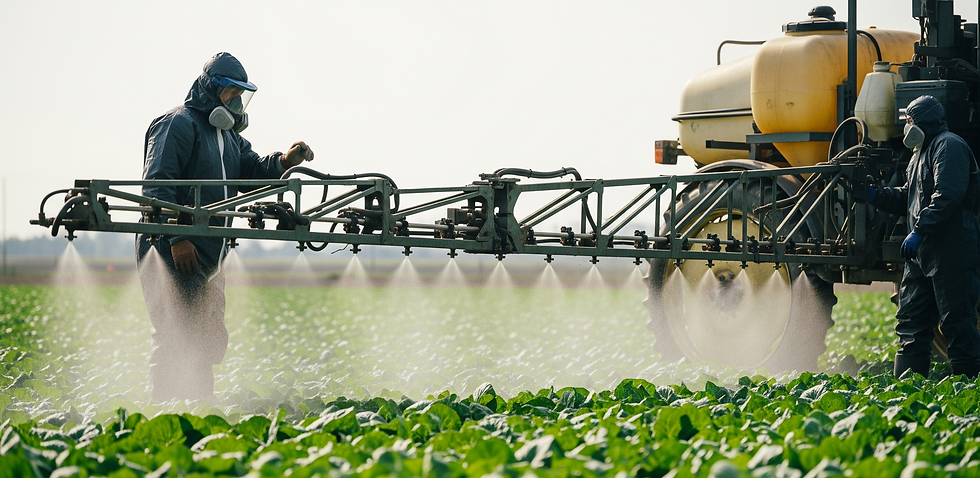
Pros:
Quick Results: Chemicals often work fast to stop pest and disease problems that could ruin a crop.
Very Strong: They can be very good at controlling widespread or serious infestations.
Easier to Apply: Sometimes, applying chemicals is less work than some natural or biological methods, especially for big areas.
Cons
Environmental Risks: The biggest downside is the chance of polluting soil, water, and air. Chemicals can harm good bugs, wildlife, and water life.
Worker Safety: Handling chemicals puts farm workers at risk. Training and protective gear are a must.
Leftover Chemicals: There's a chance of chemicals staying on harvested produce, which can worry consumers.
Resistance: Long-term use can make pests immune, needing stronger chemicals. This harms the farm's environment.
Costly: Pest and weed killers are expensive.
Choosing the Best Crop Protection for Your Farm

The top crop protection plan is a custom, combined approach considering your farm's unique aspects.
Crop Type: Some crops do well with natural and biological methods (like organic veggies), while others might need specific chemical help sometimes (like big single-crop farms).
Environment: If you're in a protected area or near sensitive places, natural and biological methods should come first, with chemical use limited or banned.
Product's Market: High-end markets and those wanting organic or chemical-free produce will prefer natural and biological ways. For standard markets, a responsible combined plan might be best.
Budget: While chemicals can seem cheaper and quicker short-term, the long-term costs of environmental harm, health risks, and resistance can be huge. For a tight budget, targeted chemical use might seem right at first, but looking into natural methods for long-term savings is smart.
Workers and Machines: With good machines and trained workers, natural and biological methods can work well for bigger farms. Investing in modern, precise tools can make all protection methods better, including targeted chemical use.
Key Tips Before Using Cultural and biological control methods
Check if there are other biological farms in the area
Check if there is an official recognition for biological products
Check if there is availability for a buffer zone with traditional crops
Evaluate if the machinery available is suitable for biological farming
Key Tips before Using Chemical Control
Check if the sprayers available are properly regulated to avoid over-use (and consequent over cost and excessive residual) of chemicals
Check if the available sprayers are suitable for the crops
Check if the operator is properly trained to use chemicals
Check the proper dosage of chemicals
Wash the machine after use in a dedicated area
By thinking about these points and using a flexible, informed approach, you can create a strong crop protection plan that leads to good harvests, protects your land, and supports a lasting future for your farm.
What part of crop protection interests you most for your farm?
Comments